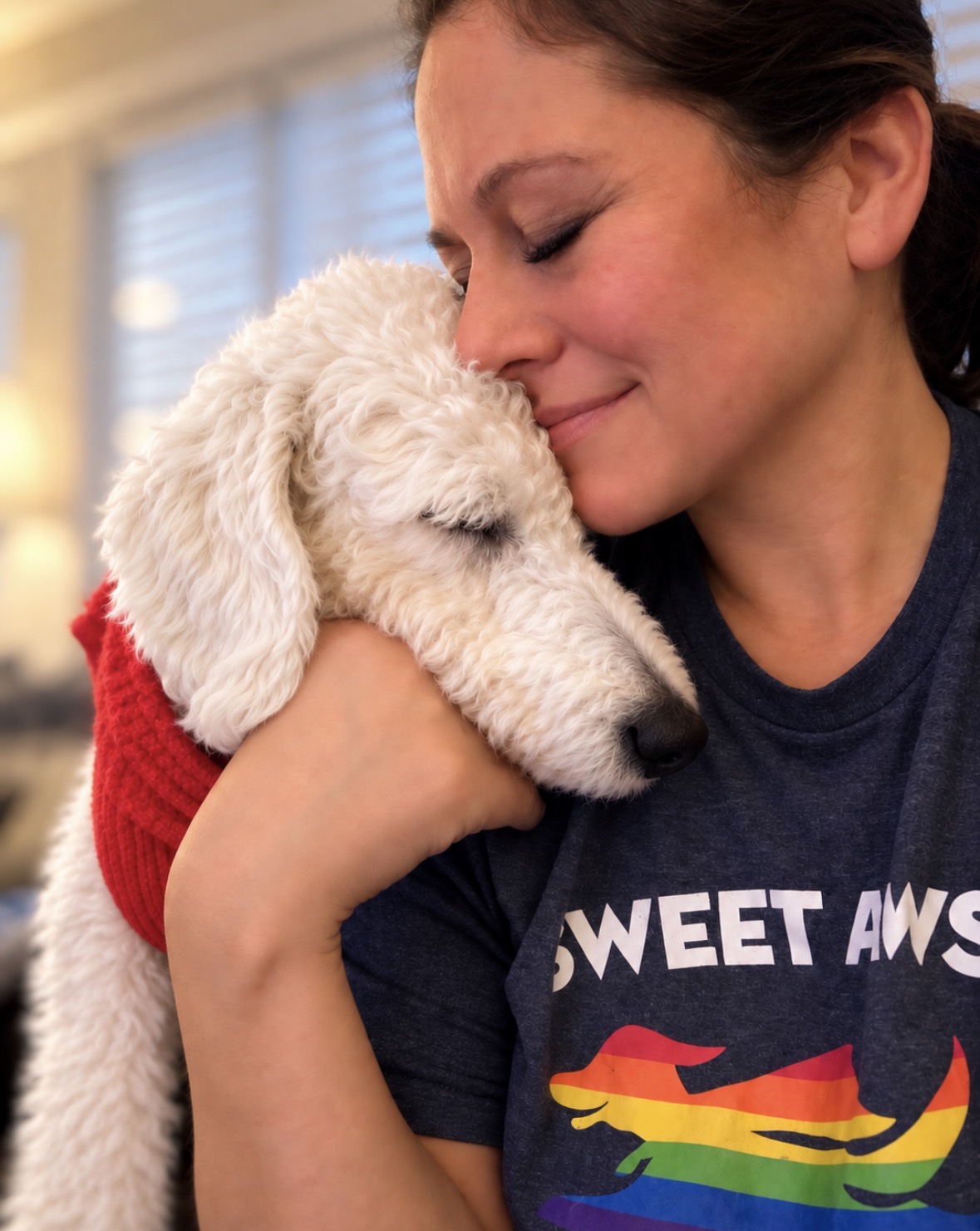
Explore how an optional interaction with rescue animals might support wellbeing during the workday.
Experience behind the concept
Built from real workplace and rescue experience.
Karen has led puppy events across various work environments and spaces. She has also worked as part of a rescue team bringing puppies to performers and production crews at major Boston venues.
Those experiences prompted questions about how brief interactions with rescue animals may support human wellbeing. They also shaped Karen’s focus on responsible planning, participant choice, and animal welfare.
What is Paws to Reset?
A simple idea with several possibilities.
Paws to Reset invites discussion about the potential mental wellbeing benefits of connecting with rescue animals. Topics include volunteering, community connections, rescue partnerships, and brief workplace puppy interactions. Trained therapy animal programs offer a related area to explore, with their own qualifications and standards.
Find responsible ways to spend time with rescue dogs and support animal welfare.
Explore thoughtful collaborations that work for people, handlers, and animals.
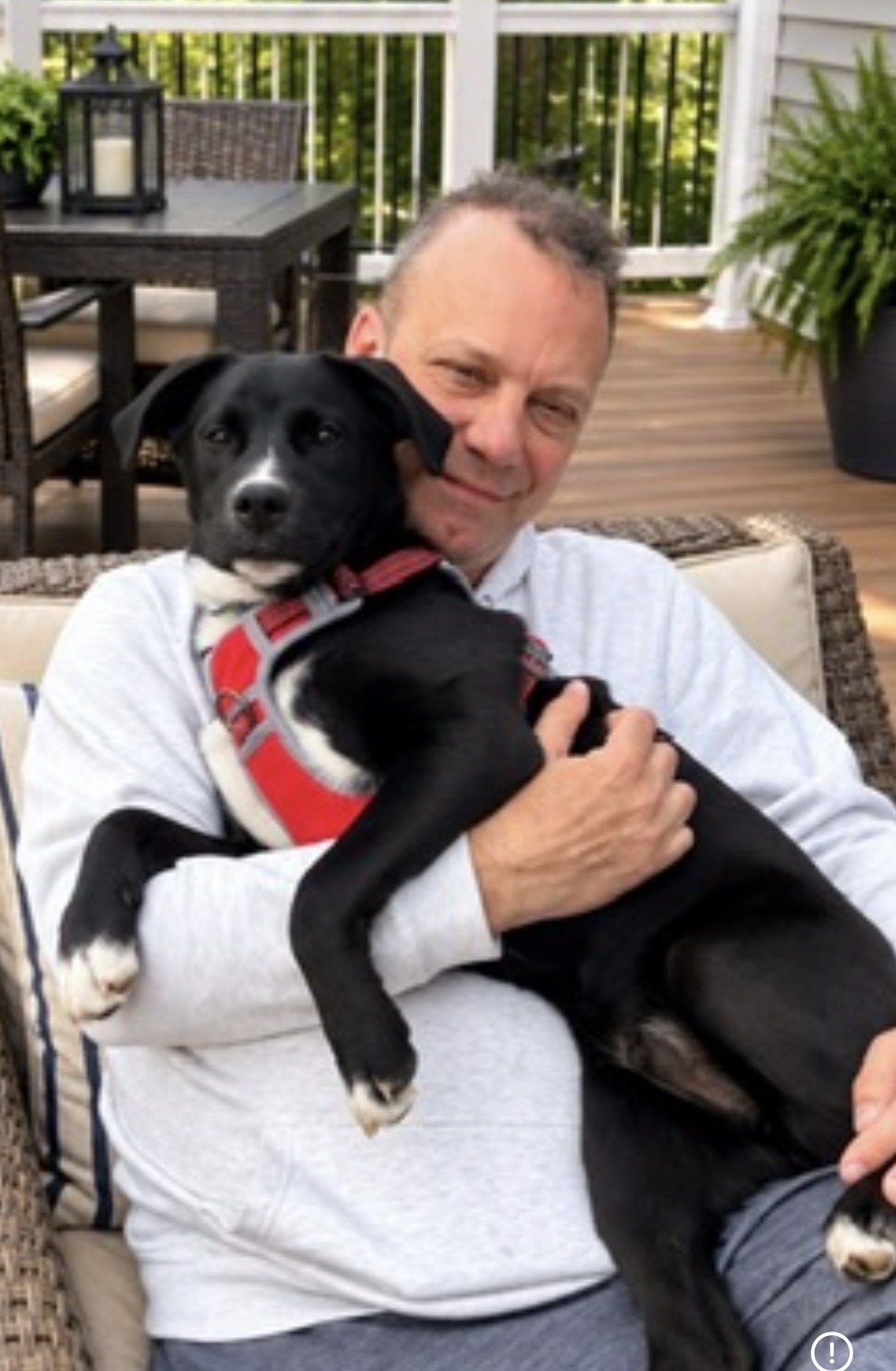

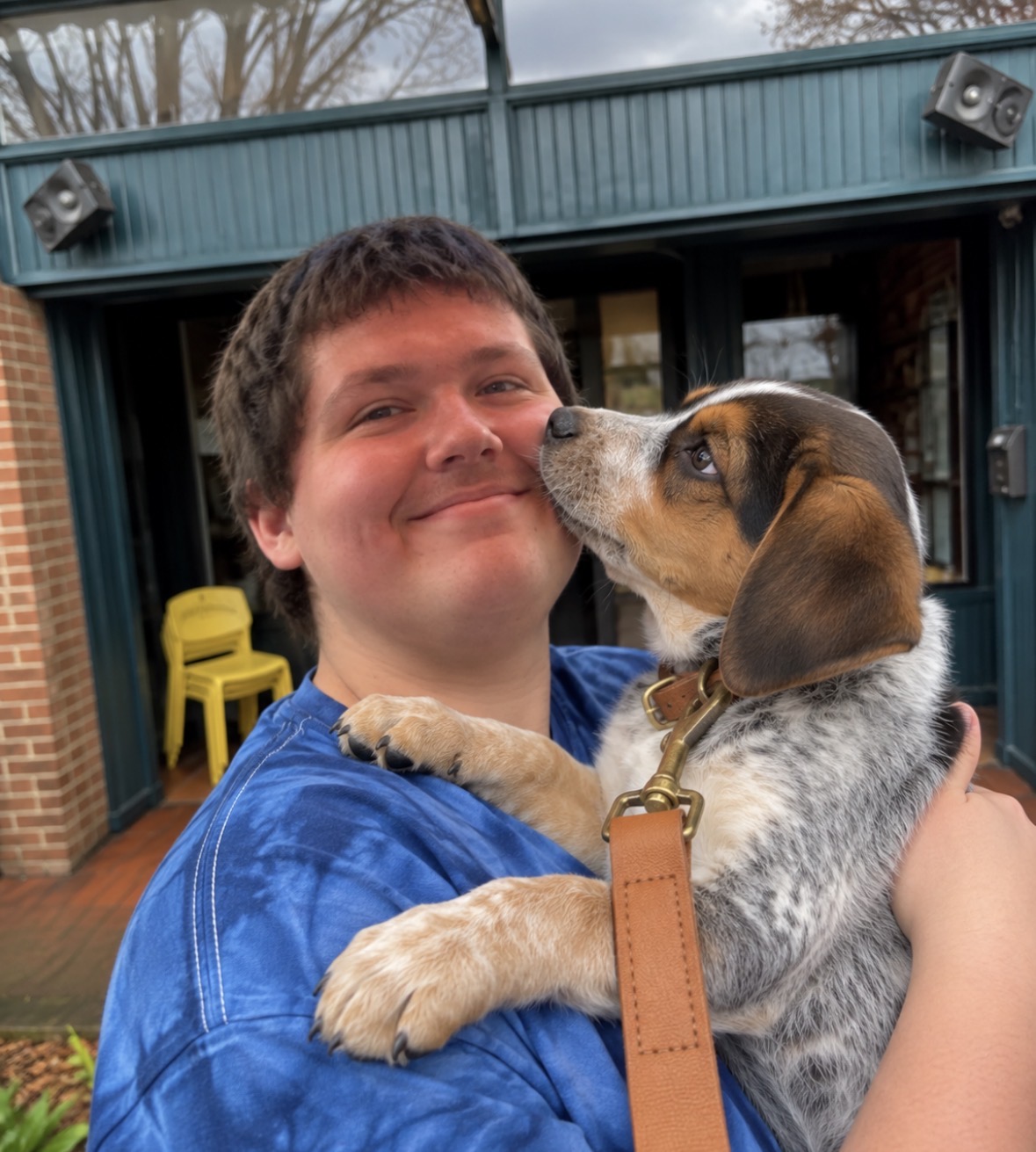
Ways to explore
Ways to connect with rescue animals.
Explore ideas and independent resources that fit your workplace, community, schedule, and comfort level.
For individuals
Volunteer with a rescue or shelter
Dog walking, enrichment, fostering, event support, photography, transportation, and behind the scenes work can all create meaningful contact while supporting animals in need.
For the community
Attend a rescue event
Adoption events, supervised meet and greets, fundraising gatherings, and other community programs can offer a welcoming way to spend time around dogs without committing to adoption.
Movement and connection
Explore responsibly run puppy yoga
Look for rescue partnered programs with trained supervision, small groups, sanitation practices, puppy rest periods, and the freedom for every puppy to move away from interaction.
For workplaces
Learn about workplace puppy interactions
A rescue or animal welfare partner may be able to help create a short, structured visit for a wellness event, high stress work period, or team gathering. Participation should always be optional.
Trained visiting teams
Find a registered therapy dog organization
Established therapy animal organizations can match workplaces with evaluated dogs and trained handlers for one time or recurring visits. Ask about screening, insurance, handler qualifications, and animal welfare standards.
If you are looking to arrange a workplace visit, contact a qualified rescue, shelter, or registered therapy animal organization directly.
Illustrative examples
What a brief pause might offer.
These examples illustrate questions the concept could explore about connection, mood, and returning to the day.

A pause during event preparation
A concert crew member takes a short break with a rescue puppy during a demanding day. A future study could ask whether they feel calmer, more connected, or more ready to return to the work ahead.
A pause during the workday
An employee spends a few minutes with a rescue puppy during a busy shift. Feedback could explore enjoyment, connection, comfort, and readiness to return, including whether the interaction offered no benefit.
How to begin
Considerations for workplaces exploring animal interactions.
A thoughtful experience starts with preparation for both the people and the animals involved.
Choose a qualified partnerWork with a legitimate rescue, shelter, or registered therapy animal organization.
Keep participation optionalOffer an easy, dog free alternative for people with allergies, fears, cultural concerns, or trauma histories.
Keep it brief and calmUse short sessions, controlled group sizes, and a quiet space away from crowds and noise.
Protect animal choiceProvide water, rest, supervision, and an immediate exit whenever a dog shows stress or fatigue.
Confirm the practical detailsDiscuss insurance, vaccinations, sanitation, handler roles, room setup, and emergency procedures in advance.
Prepare participantsShare expectations for calm voices, gentle handling, hygiene, and respecting each dog’s boundaries.
Measure carefullyIf gathering feedback, keep it brief and anonymous and avoid presenting observations as clinical outcomes.
Review and improveAsk what worked for participants, handlers, and animals before planning another visit.
Professional boundaries
Not every puppy visit is therapy.
Clear language keeps expectations realistic and avoids making claims that have not been established.
Puppy assisted interaction
A brief, structured experience with supervised puppies. It may offer a meaningful pause, but it is not clinical treatment.
Therapy dog visit
An evaluated dog and trained handler team invited to workplaces, schools, healthcare settings, or community spaces.
Animal assisted therapy
A planned, goal directed intervention delivered by a qualified health or human service professional and documented as part of treatment.
Responsible practice
Wellbeing for people and animals.
A credible program protects participant choice and animal welfare equally.
Fully voluntaryNo pressure to participate and an easy alternative for employees with allergies, fears, or cultural concerns.
Animal welfare firstQualified handlers, rest periods, limited session length, and immediate removal when a puppy shows stress.
Safe environmentClear hygiene practices, allergy awareness, controlled group size, and a quiet designated space.
Privacy protectedAnonymous feedback, minimal data collection, and clear explanation of how results will be used.
The future of Paws to Reset
From practical experience to thoughtful research.
One possibility for future research is to explore whether brief puppy interactions are feasible in workplace settings and what participants report about stress, mood, connection, and readiness to return to work. This is a proposed direction, not a study currently underway.
Proposed research focus
Paws to Reset: Exploring Brief Puppy Assisted Interactions as a Workplace Stress Recovery Strategy
What changes, if any, do employees report in immediate perceived stress and emotional state after a brief puppy assisted interaction?
Illustrative study approach
Check in
Complete a short anonymous rating of current stress and mood.
Pause
Proposed duration: 10 to 15 minutes in a calm, supervised puppy interaction, subject to study design and animal welfare review.
Check again
Repeat the same brief measures immediately after the experience.
Reflect
Share optional feedback about usefulness, comfort, and return to work.
◌
Immediate stress
A simple rating before and after the interaction.
♡
Emotional state
Brief indicators of mood, energy, and connection.
↗
Work readiness
How prepared participants feel to reengage.
Research safeguardsThe concept remains exploratory. Any formal study should use appropriate organizational review, informed consent, validated measures, animal welfare protections, and a qualified research or clinical partner.
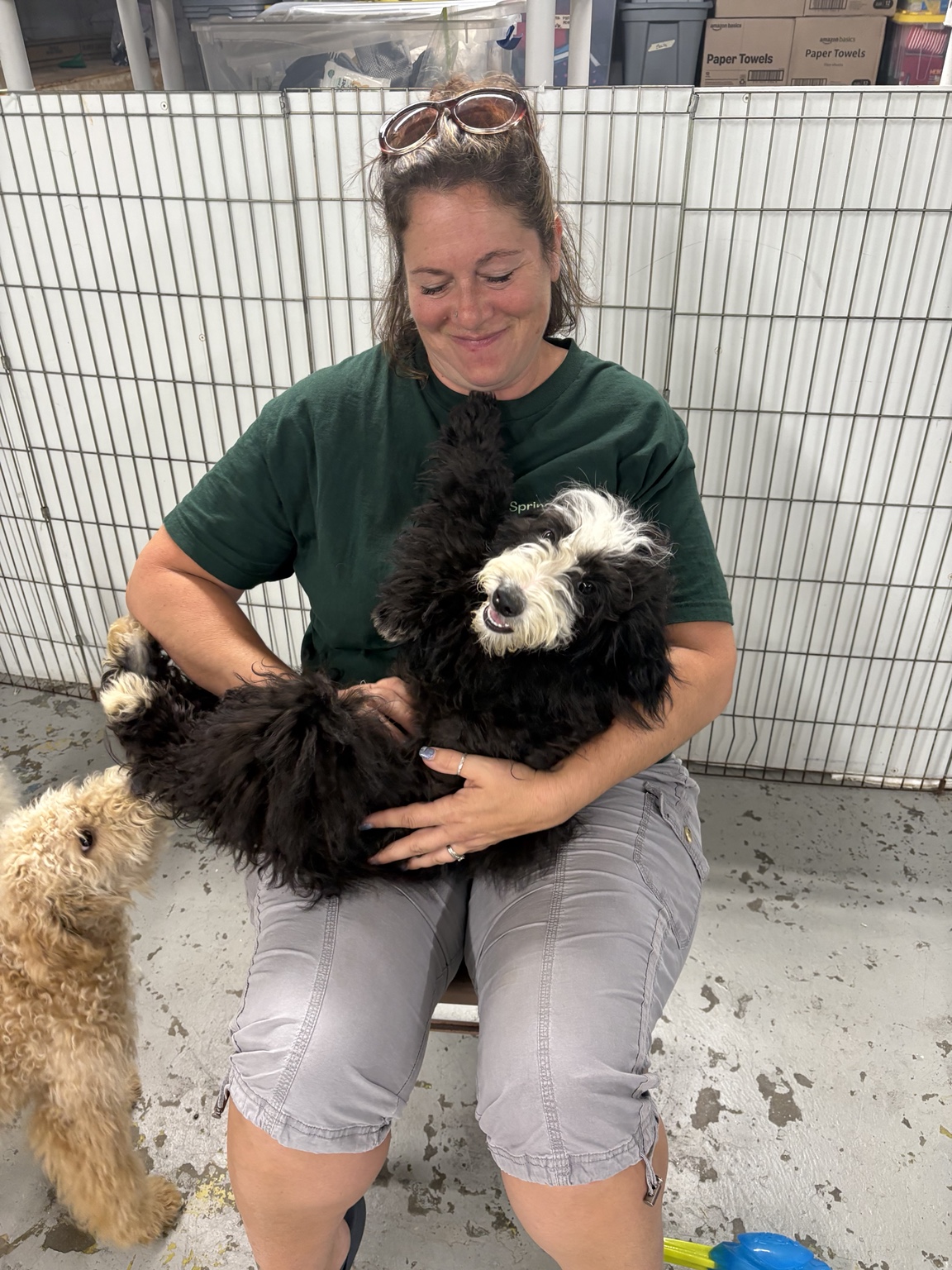
About Karen
Karen Lofty, MSW, LICSW
Workplace wellbeing meets hands on rescue leadership.
Karen brings more than 20 years of experience in healthcare, social work, patient experience, and workplace mental health, along with hands on volunteer leadership with Sweet Paws Rescue. Paws to Reset brings together her professional interest in workplace wellbeing and her experience working with rescue dogs and the people who care for them.
Interested in Paws to Reset?
Let’s continue the conversation.
Interested in discussing rescue animals and mental wellbeing, future research, or professional collaboration? I’d love to connect.
Karen Lofty, MSW, LICSWWorkplace wellbeing and rescue leadershipKarenlofty2@gmail.com